Author: The Next Tally Team

  • How a “Dart” became an unintended target”

    How a “Dart” became an unintended target”

    There’s a difference between being famous… and being responsible.

    A young quarterback in a major American sports market is learning that lesson the hard way.

    Here’s Jaxson Dart-seen by many as the new face, the new savior of the New York Football Giants. Talented? Absolutely.

    Tough? No question.

    Fans embraced him because he played with grit, emotion and swagger. They remember his days at ‘Ole Miss. He assumed his current position under center a few weeks into the 2025 NFL season. The problem is that sometimes young athletes don’t realize the same mentality that helps you survive college sports can hurt you in professional sports.

    On the field, that meant trying to run through defenders instead of protecting himself. Coaches quickly reminded him that franchise quarterbacks are not fullbacks. In the NFL, if your quarterback goes down, the entire organization suffers. Protecting yourself becomes part of protecting the team.

    But what happens off the field can be even more dangerous.

    At a recent public political rally, this young quarterback appeared alongside arguably one of the most divisive political movements and figures in modern America. The description is not an opinion. It is a well-publicized fact (I have to make that clear, lest I be singled out as biased). Whether the 24 year-old fully understood the magnitude of that decision is unclear. What is clear is the reaction that followed.

    Social media erupted.

    Fans announced they were done supporting him and his team.

    Others questioned his judgment.

    Some wondered whether he understood that when you publicly align yourself with controversial figures or causes, people stop seeing “the athlete” — and start seeing the symbol.

    And symbols divide people.

    That’s the danger modern athletes often underestimate.

    You may think you’re simply attending an event.
    You may think you’re shaking hands with powerful people.
    You may think it’s just visibility.

    But visibility cuts both ways.

    In today’s climate, public alignment is interpreted as endorsement. Fair or unfair, that’s reality. Once that happens, your jersey no longer belongs only to sports fans. It enters political, cultural and emotional territory that can fracture locker rooms, fan bases, endorsement opportunities and even personal relationships.

    That’s why athletes must understand:
    Everything attached to your image becomes attached to your brand.

    At Next Tally, we constantly teach athletes that talent opens doors — but judgment determines whether those doors stay open.

    You are not just representing yourself anymore.

    You represent teammates.
    Ownership.
    Sponsors.
    Communities.
    Families.
    Business partners.
    Fans from every walk of life.

    And when your face becomes attached to controversy, everybody connected to you feels the impact.

    The most dangerous part?

    Many young athletes don’t recognize the firestorm until after they’re standing in the middle of it.

    That’s why handlers matter.
    Agents matter.
    Publicists matter.
    Mentors matter.

    Someone in the room has to understand optics before the athlete walks into them.

    Because once the internet decides what your appearance “means,” you no longer control the narrative.

    And in professional sports, perception can hit just as hard as any linebacker ever could.

    At Next Tally, we teach athletes to protect more than their bodies.

    We teach them to protect the franchise.

  • Respect or Frustration?

    Respect or Frustration?

    The season wasn’t technically over yet.

    There were still eight minutes left on the clock.

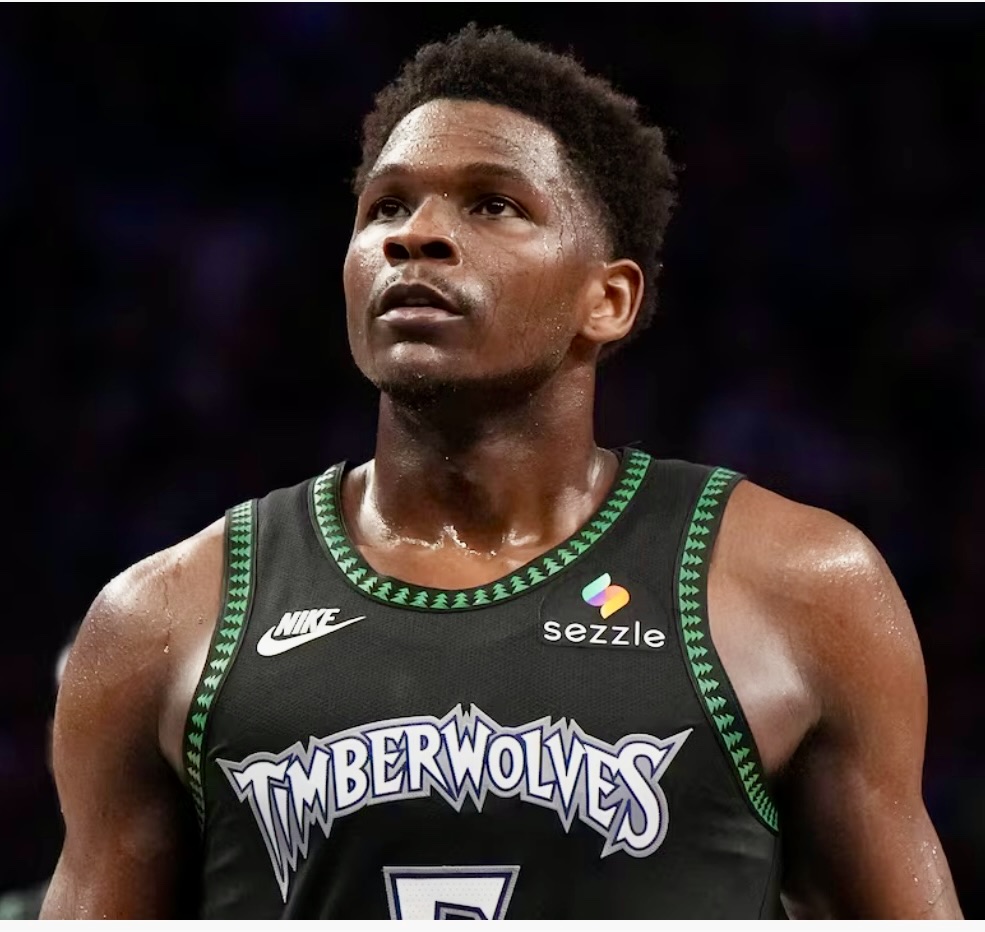
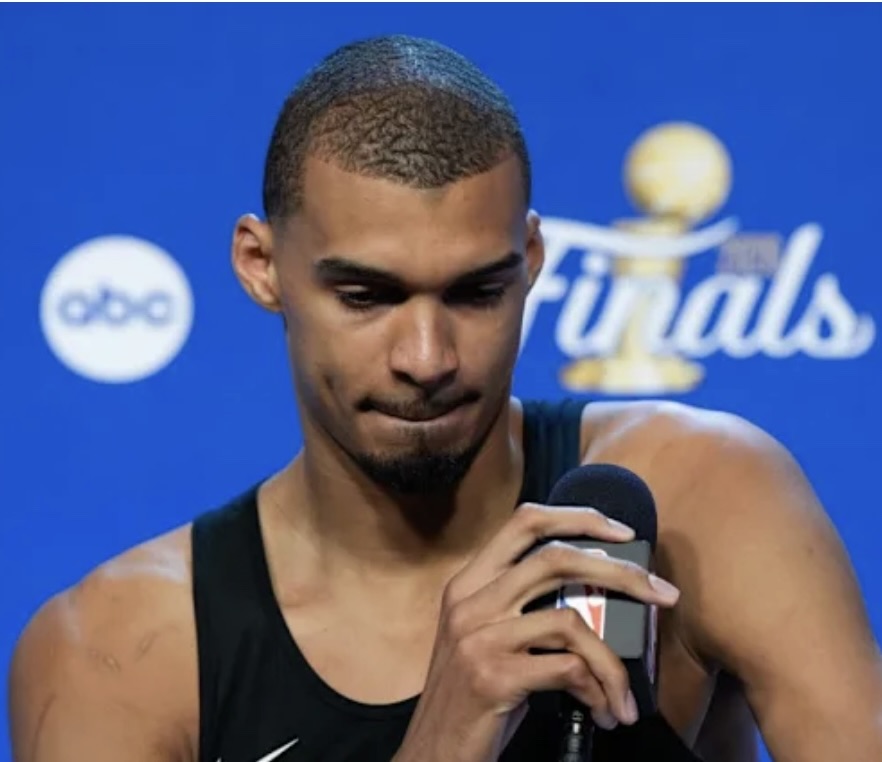
    But apparently, Minnesota Timberwolves superstar Anthony Edwards had seen enough.

    Down nearly 30 points in a Game 6 elimination matchup against the San Antonio Spurs, Timberwolves Coach Chris Fink emptied the bench and pulled his starters, essentially waving the white flag on Minnesota’s season.

    And that’s when things got awkward. “Ant-Man” made a non-basketball move that set off a buzz!

    Instead of remaining seated with his teammates while the clock wound down, Edwards walked over to the Spurs’ huddle…during the game…and began congratulating players before the final buzzer had even sounded.

    Yep.

    Before the game was officially over.

    The moment instantly lit up social media and sports television.

    Former NBA stars including Udonis Haslem and Dirk Nowitzki openly questioned the move, basically saying: “What are you doing?” Dirk goes, “I’ve never seen that before”.

    To many old-school basketball minds, it violated one of the unwritten rules of competition.

    You fight until the final horn.

    You don’t congratulate the opponent while your teammates are still out there taking punches.

    Even if the game is clearly over.

    Even if you’re exhausted.

    Even if Cancun is calling.

    But Anthony Edwards saw it differently.

    Postgame, Ant-Man suggested the outcome had already been decided. He said he simply wanted to show respect to the Spurs players and didn’t want to “wait around afterward” to do it.

    Fair enough.

    But let’s be honest here.

    This probably went deeper than sportsmanship.

    This looked like frustration.

    Not selfish frustration.

    Competitive frustration.

    The kind that builds when a superstar feels like he’s carrying an entire franchise on his back.

    Edwards battled through injury, returned early, dragged Minnesota into the second round, and once again looked like the emotional engine of the entire organization.

    Night after night, he did the heavy lifting.

    And deep down, his early walk to the Spurs huddle may have quietly said something without actually saying it:

    “These dudes came ready.”

    “My team didn’t.”

    “You earned this.”

    That doesn’t mean Edwards quit.

    But it may mean he reached an emotional breaking point.

    And that’s where this becomes a fascinating leadership conversation.

    Because while some teammates may understand the gesture, others may privately view it as abandonment in the middle of battle — even if the war was already lost.

    One Spurs player reportedly admitted afterward:

    “I’ve never seen anything like that.”

    Exactly.

    Neither have most of us.

    Now comes the bigger question facing Minnesota this offseason:

    What exactly are the Timberwolves building around Anthony Edwards?

    Because the NBA is filled with cautionary tales of elite stars who eventually grow tired of carrying franchises without enough support. Think Giannis– (but at least he got a ring a few years ago).

    Edwards is one of the league’s brightest young faces. Explosive. Fearless. Marketable. Competitive. Box office.

    But stars eventually want results.

    Not just highlights.

    Not just scoring titles.

    Not just “almost.”

    They want banners.

    And if Minnesota truly wants to maximize the Anthony Edwards era, the front office has to figure out whether this roster is actually built to help him win championships…or simply survive playoff rounds.

    The image of Edwards walking into the Spurs’ huddle before the game ended may wind up becoming one of the defining visuals of this Timberwolves offseason.

    Not because he was disrespecting the game.

    But because it may have revealed exactly where his mind is right now.

    Tired of carrying.

    Tired of losing.

    And ready to see whether this organization is truly serious about helping him bring a title to Minnesota.

    Because talent gets you noticed.

    But championships?

    Those require help. The clock is ticking. 8 Minutes.

    “Unk”

  • Jaylen “Blahs”

    Jaylen “Blahs”

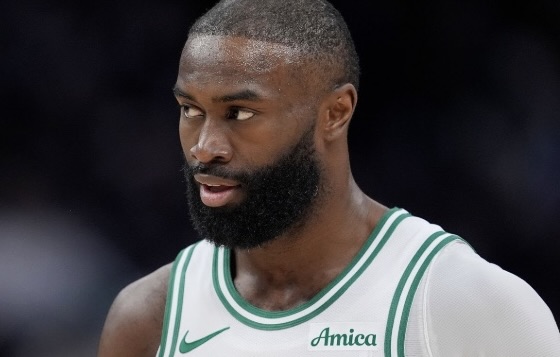
    There are very few athletes in professional sports more respected than Jaylen Brown.

    And that respect did not begin with basketball.

    From the moment Brown entered the national spotlight — first at the University of California, Berkeley and later with the Boston Celtics — he stood apart from the crowd. Intelligent. Thoughtful. Articulate. Composed.

    In an era where athletes are often reduced to highlights and hot takes, Brown became known as something different: a thinker.

    A chess player.
    A student of language.
    A businessman.
    A player comfortable speaking at places like Harvard University and Massachusetts Institute of Technology about leadership, education, and empowerment.

    That’s why what happened after Boston’s Game 7 loss to the Philadelphia 76ers felt so jarring.

    With fellow star Jayson Tatum sidelined by injury, the spotlight fell squarely on Brown. And to his credit, he fought. But in the emotional aftermath of the Celtics’ season-ending defeat, Brown appeared to let frustration override discipline.

    Instead of the poised, measured voice fans are used to hearing, the postgame narrative shifted toward complaints about officiating, accusations about league agendas, and criticism of Joel Embiid for “flopping.”

    Reports now suggest Brown was fined by the league for comments implying officials were targeting him.

    And just like that, the conversation changed.

    Not about his All-Star career.
    Not about his championship pedigree.
    Not about his leadership or intelligence.

    The headline became: sour grapes.

    That’s the danger athletes face in the modern media era. One emotional moment can erase weeks, months, even years of positive momentum — at least temporarily. Social media clips spread instantly. Narratives catch fire. Rumors begin. Suddenly there are whispers about friction with the organization, locker room tension, and internal frustration — whether any of it is true or not.

    At Next Tally, this is exactly why media discipline matters.

    Not because athletes shouldn’t speak honestly.
    Not because frustration isn’t human.
    But because every microphone is live. Every livestream is permanent. And every emotional reaction carries consequences.

    Sometimes financial ones.

    Sometimes reputational ones.

    The Philadelphia 76ers move on. The season ends. The cameras eventually leave.

    But the internet remembers everything.

    And for one difficult night, one of the NBA’s brightest and most respected stars reminded us all of a hard truth:

    Even the smartest people can make emotional mistakes when the pain of losing takes over the room.

    Love you Jay…but “this wasn’t you”.

    -Unk

  • “Inside the PAADS Athlete Symposium:

    “Inside the PAADS Athlete Symposium:

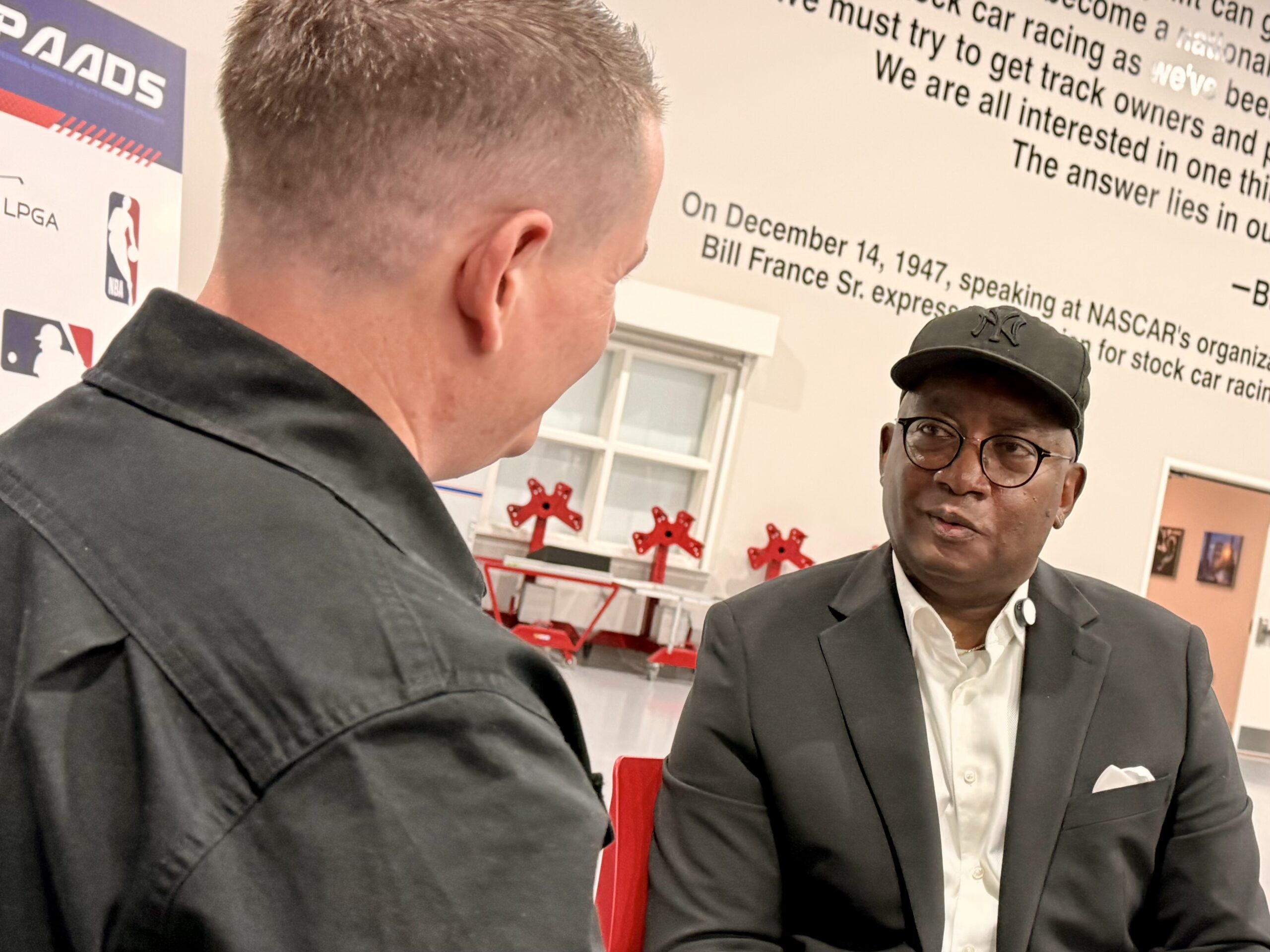
    CONCORD, NC — I’ve covered a lot of rooms in my career.

    Press rooms. Locker rooms. Crisis rooms.

    But I’ve never quite seen a room like this.

    The 20th Annual PAADS (Professional Association of Athlete Development Specialists) Symposium brought together one of the most impressive collections of athlete development professionals I’ve ever encountered—people from across the country and around the world, all focused on one thing:

    Making the athlete better prepared for life.

    And not just on the field.


    This Was Different

    What stood out immediately wasn’t just the size of the gathering…

    It was the intention. It was hosted by the folks at NASCAR. And not to sound cliche’ish…this thing was faster than a race car. And the R&D Center was the perfect setting. No pretense. No pomp. Just athlete development researchers on a laser-focused mission.

    Everywhere you turned, the conversations were layered and meaningful:

    • Mental health support for athletes under pressure
    • Financial literacy and long-term wealth protection
    • Safeguards against exploitation in the NIL era
    • Preparing athletes for life after the game

    There was a clear, unified message:

    We’re not just developing players anymore… we’re developing people.

    And that matters.

    Before I go on, I want to thank Stephanie Thornburn and her staff, (Duncan, Tanya, Xenia and several others were just incredible…and treated my CFO (Al Nolan) and I like royalty).


    The Reality of Today’s Athlete

    One of the more eye-opening conversations centered around something every athlete deals with—but few are equipped to handle:

    Social media toxicity.

    A Sister from the University of Florida (Aoyang Shi) laid out the reality of how attacks against athletes (on social media) can actually impact the performance of a player– just before he or she goes on the floor to perform! I never ever thought of that. Her focus was on women’s basketball, and how teams are often telling their players, “don’t go online before you play in a game”. It wasn’t just sage advice– I was almost a mandate, based on her research.

    I also met Shane Britten, who’s built an app designed to protect athletes from online abuse. The concept is simple—but powerful:

    Athletes can program specific words or phrases they don’t want to see. If those words show up in their mentions or messages?

    They never reach them.

    Filtered. Blocked. Gone.

    Think about that for a second.

    Because multiple professionals—many with PhDs in psychology and performance—made something very clear:

    What an athlete sees on their phone before a game can impact how they perform during the game.

    That’s not theory anymore.

    That’s reality.


    The Level of Care Was Impressive

    This wasn’t surface-level talk.

    This was deep, intentional work being shared by people who genuinely care about protecting athletes:

    • Emotionally
    • Financially
    • Professionally
    • Personally

    And it left me with one overwhelming thought:

    These gatekeepers are doing incredible work.


    But There’s a Gap

    As impressive as it all was…

    There’s one area that isn’t being addressed at the same level.

    Strategic communication.

    Because here’s the truth:

    An athlete can be mentally strong… financially educated… physically prepared…

    And still lose everything with one bad moment in front of a camera.

    Or one poorly thought-out post.

    Or one emotional response to the wrong person at the wrong time.


    Where Next Tally Fits In

    This is where Next Tally comes in.

    While so many of these professionals are focused on building the athlete…

    We focus on protecting the athlete’s voice.

    • What to say
    • What not to say
    • When to say nothing at all
    • How to navigate media pressure
    • How to avoid moments that cost endorsements, contracts, and credibility

    Because in today’s sports world:

    Talent gets you noticed.
    But communication keeps you in the game.


    Why This Matters Now

    In the NIL era…

    In the age of viral clips…

    In a world where one quote can travel faster than your highlight reel…

    Communication is no longer optional. It’s survival.

    And yet—it’s still one of the least formally trained skills in athlete development.


    A Personal Note

    I didn’t walk into this room as an outsider.

    I walked in as someone who’s spent a career in the media—asking the questions, covering the stories, and watching in real-time how quickly narratives can shift.

    So when I say there’s a gap here…

    It’s not criticism.

    It’s opportunity.


    Final Thought

    The PAADS Athlete Symposium showed me something important:

    There is a growing army of professionals dedicated to protecting athletes in ways we’ve never seen before.

    And that’s powerful.

    But if we truly want to prepare athletes for everything they’re about to face…

    We have to include the one thing that touches every moment of their career:

    How they communicate with the world.

    -Unk

  • Diego Pavia: “FAFO”

    Diego Pavia: “FAFO”

    (Fix Attitude, Find Opportunity).

    When Emotion Costs You Millions

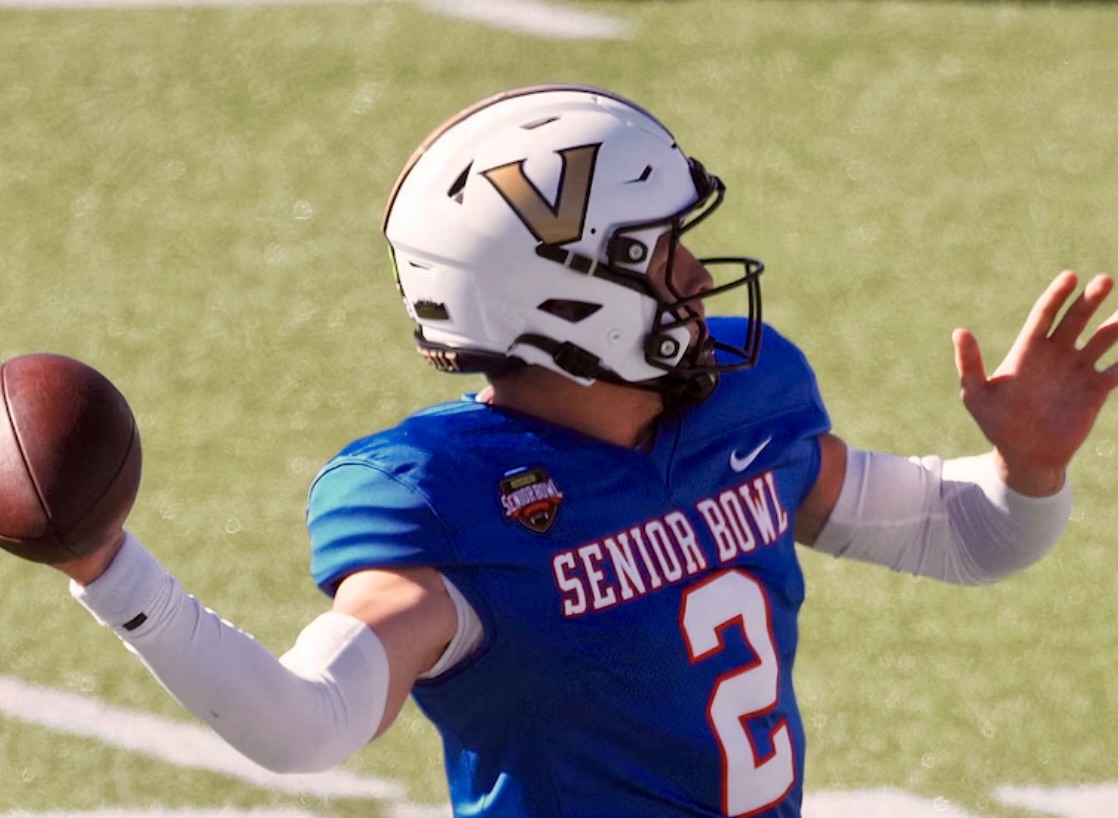
    There’s a painful lesson in the stunning draft slide of former Vanderbilt quarterback Diego Pavia.

    A year ago, Pavia looked like a football folk hero. He was a Heisman runner-up. He threw for more than 3,500 yards, rushed for nearly 900 more, accounted for 39 touchdowns, and led Vanderbilt to a 10-win season few saw coming.

    And yet…257 names were called in the 2026 NFL Draft.

    His wasn’t one of them.

    On the surface, some will point to size. At under 6 feet—closer to 5-foot-10—scouts questioned whether he fit the traditional NFL quarterback mold.

    But we’ve seen smaller quarterbacks thrive.

    Kyler Murray proved height isn’t a deal-breaker. Bryce Young entered the league with similar concerns. In today’s NFL, playmakers can overcome measurables. So maybe this wasn’t just about height. Maybe it was about judgment.

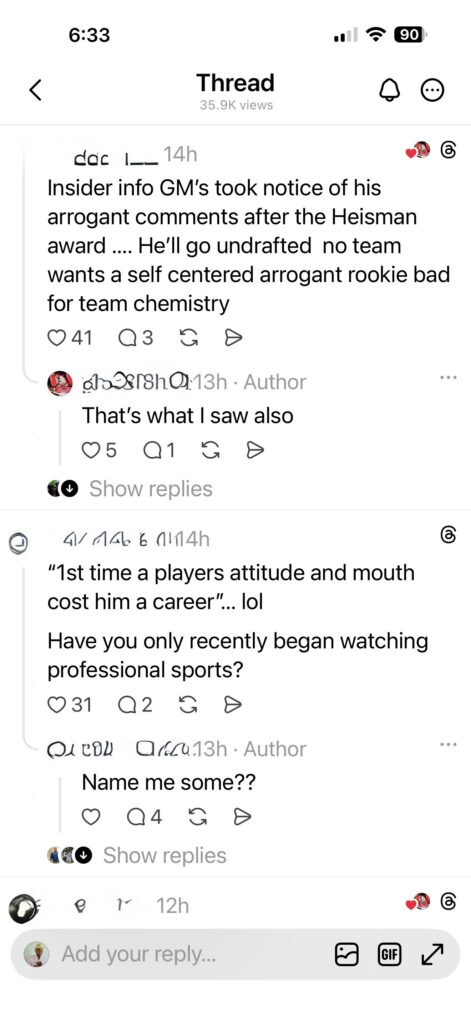
    After finishing second in the Heisman race, Pavia reportedly posted an expletive-laced message aimed at voters. Then came video of him at a club flashing his middle finger at a sign mocking Indiana. The court of public opinion went nuts! And even after the draft, go to any social media platform, and you’ll find the football crowd filled with “I told you so’s”

    From: Next Tally “Thread” social media page

    Maybe it was emotion. Maybe frustration. Maybe youth. But in a profession where front offices study everything—from arm angles to body language—that stuff gets logged.

    And remembered.

    That’s the part many young athletes miss. Scouts don’t just evaluate talent. They evaluate temperament. Decision-makers don’t just ask, Can he play? They ask, Can we trust him?

    And trust… can evaporate with one reckless post. One bad clip. One emotional outburst. One moment.

    That’s why we’ve said it before at Next Tally: One tweet can cost you millions. Or in this case… Maybe one reaction. One gesture. One bad optic.

    And here’s what stings most: Pavia may have had the ability.But perception may have beaten production.

    For athletes chasing the next level, this isn’t just a draft story.It’s a warning. Because sometimes the flop isn’t what happens on the field—It’s what happens when emotions go public.And public mistakes have private consequences.

    Diego Pavia may still get his shot as a free agent.Many hope he does. But this week, when it counted the most, he’s left on the bench…

    Not because of a missed throw—

    But because talent alone doesn’t protect you from self-inflicted damage.

    Talent gets you noticed. Character and control keep you in the game.

    And that lesson?

    Never goes undrafted.

    “Unk”

  • From Ridicule to Round One!

    From Ridicule to Round One!

    Sometimes the loudest people in the room turn out to be the smallest.

    Just weeks ago, KC Concepcion was fighting off a different kind of defender.

    Not on the field.

    Online.

    The former Texas A&M Aggies standout — an All-SEC playmaker known for electrifying speed and game-breaking talent — was cruelly mocked on social media, not for a dropped pass or missed route, but for something far more personal:

    His stutter.

    Strangers called him names. Questioned his intelligence. Tried to reduce a gifted athlete and young man to a speech impediment.

    And then something remarkable happened.

    He answered.

    Not with anger.

    Not with bitterness.

    Not with a counterpunch.

    With grace.

    KC simply asked people not to mock those living with speech challenges. He reminded the world that his voice may stumble at times — but his purpose does not.

    And Thursday night, purpose had the final word.

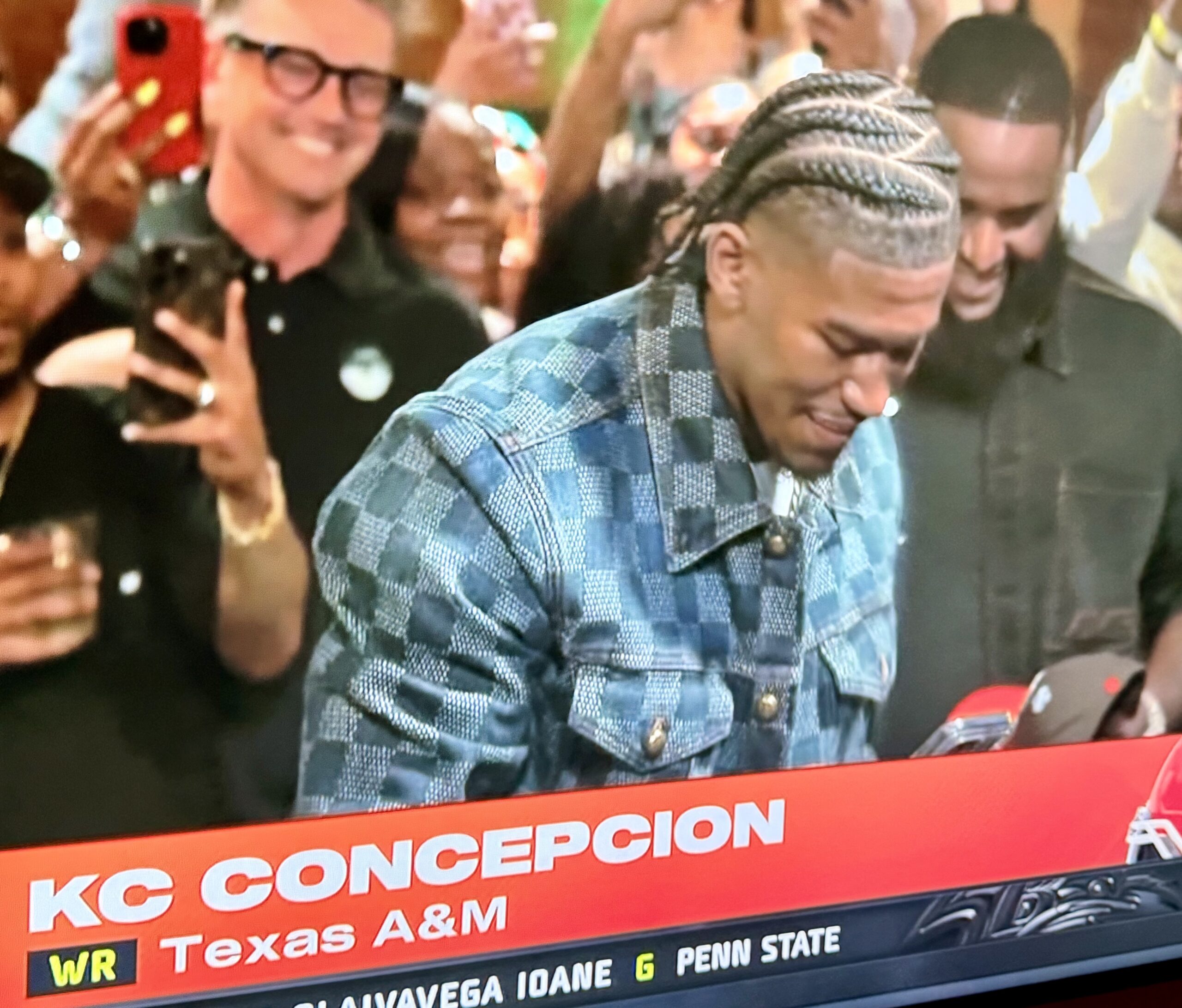
    With the 24th pick in the FIRST ROUND of the 2026 NFL Draft, the Cleveland Browns called his name.

    KC Concepcion made it!!! The damn kid heard his name! The dream of every kid who plays the game of football.

    Let that sit for a second.

    The same young man some online critics tried to shame… virtually walked across the biggest stage in football (He wasn’t in Pittsburgh for the call- he was with his family and friends in Charlotte when the call came in). And he stood there…just nodding his head…seemingly shocked…and no doubt thinking to himself, “This just happened”.

    No revenge speech.

    No taunting the doubters.

    No tongue out at the haters.

    Just class.

    Just gratitude.

    Just family.

    Just a young man living proof that determination can outrun cruelty.

    And maybe that’s the bigger lesson.

    Bullies often assume they’re writing someone else’s story.

    They’re not.

    Character does.

    Perseverance does.

    Faith does.

    KC didn’t let a handicap define him. He refused to let ridicule redirect him. And now he stands as a beacon for every young person who has ever been mocked for being different.

    19-year old Jesse Findling from Long Island, New York has a similar story (stuttering). Yet, he blew the judges away on American Idol with his singing. He got a golden ticket to the Hollywood round!

    (Sidenote: I too was bullied as a kid, because of a large oblong forehead, caused when my sister accidentally dropped me down a flight of stairs as a toddler). It left me with an enlarged forehead and a scar that kids wouldn’t let me live down. I thought I was ugly—was told I was ugly. Who would have ever thought old “bullet head” would ever end up on television (for the last 45 years)?

    CBS, NBC and other networks actually paid big bucks for a short, “bullet head” guy’s face to appear exclusively on their channels. Who knew? I digress. But I’ve been wanting to say that for a long time! Thank you KC for opening the door for an old man to walk through.

    Back to KC’s story—And please hear me on this:

    Making the NFL doesn’t end the scrutiny.

    It amplifies it.

    He’s no longer just KC.

    He is now “KC Concepcion, wide receiver for the Cleveland Browns- With a stutter”.

    The spotlight gets hotter now.

    The noise gets louder.

    And the trolls? Some will return.

    Which is exactly why athletes like KC need guidance, media awareness, and the tools to keep the focus where it belongs — on performance, not provocation.

    That’s a Next Tally lesson.

    And frankly, that’s why I’ve offered our services to this young man pro bono. I want to help preserve his value.

    Because some stories deserve protection.

    Some athletes deserve advocacy.

    And some victories deserve applause far beyond draft night.

    To KC Concepcion:

    You didn’t just hear your name called.

    You answered a lot of people who doubted you.

    Without ever raising your voice.

    Godspeed, young man.

    You’re already soaring.

    “Unk”

  • The Disguise of Desperation

    The Disguise of Desperation

    There was a time when Luther Davis was known for making headlines the right way.

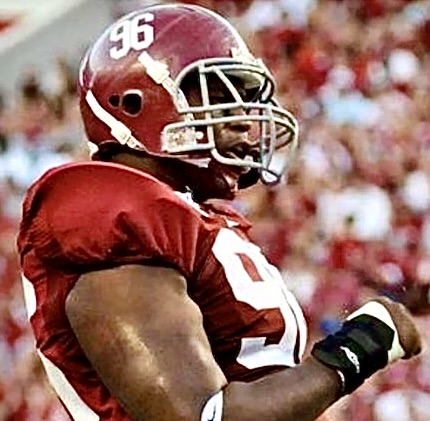
    A highly touted defensive tackle, ranked among the nation’s best coming out of high school (he was the pride of West Monroe, Louisiana high)… he created a recruiting shockwave when he flipped from the LSU Tigers to join Alabama Crimson Tide under Nick Saban… and ultimately, a contributor to Alabama’s 2009 national championship run. To each his own. Young men change their minds. Okay so it eventually paid off for him. Or did it?

    That was the platform.

    That was the launchpad.

    But somewhere along the way… the vision changed.

    And not for the better.

    This isn’t the first time Davis flirted with controversy. Back in 2013, reports surfaced that he had violated NCAA amateurism rules—allegedly acting as a sports agent and providing benefits to college athletes.

    Even then, the warning signs were there. Shortcuts. Blurring lines.Testing the boundaries of what’s allowed.

    Fast forward to today—and those same tendencies have now escalated into something far more serious.

    Federal authorities say Davis wasn’t just bending rules this time—he was breaking them in spectacular fashion.

    Prosecutors allege he orchestrated a scheme totaling roughly $20 million in fraudulent loans.

    And the method?

    Disturbing.

    Calculated.

    And almost unbelievable.

    According to investigators, Davis and an accomplice impersonated NFL players—using wigs, makeup, and disguises during video calls—to convince lenders they were legitimate high-profile borrowers.

    Let that sink in.

    They didn’t just fake paperwork.

    They allegedly became the lie.

    When lenders requested meetings, the real players never appeared. Instead, prosecutors say Davis and his co-conspirator stepped into character—complete with fake IDs and supporting documents—to push the illusion forward.

    And it worked.

    For a while, until it didn’t.

    Authorities say over the course of more than a year, at least 13 fraudulent loans were secured. The money? Allegedly funneled into accounts they controlled… then spent on luxury cars, jewelry, and real estate.

    Now, It is widely reported that Davis is expected to plead guilty to conspiracy to commit wire fraud and identity theft.

    And just like that…

    A story that once started with promise, discipline, and opportunity… now sits under the harsh glare of federal prosecution.

    This isn’t just about fraud.

    It’s about identity.

    Not the fake kind used in a scheme—but the real one athletes build every day.

    Because here’s the truth:

    Your reputation is your currency long before money ever hits your account.

    Davis had access.

    He had exposure.

    He had a network most people would never even sniff.

    And instead of leveraging that for long-term opportunity… he appears to have chosen short-term deception.

    And deception always collects.

    With interest.

    That’s why Next Tally preaches–Talent might open the first door.

    But character decides how long you stay in the building.

    This week’s Flop of the Week isn’t just a cautionary tale…

    It’s a reminder:

    You don’t need a disguise to succeed.

    But the moment you start wearing one—

    You’ve already lost.

    -Next Tally

  • About Ja….

    About Ja….

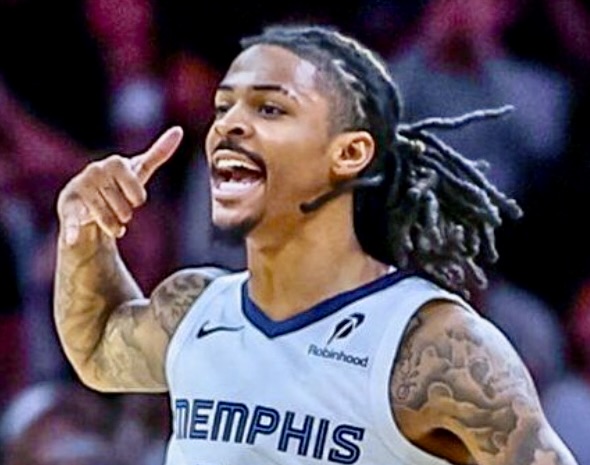
    There was a time when Ja Morant was the story the NBA loved to tell.

    High-flying. Electric. Must-see TV.

    But lately… he’s become the story the league watches carefully.

    This week’s moment may seem small on the surface—failing to participate in a fan appreciation tradition after the Grizzlies’ final home game. A simple gesture: hand your jersey to a fan, say thank you, close the season with connection.

    Instead, confusion. No jersey given. Reports say he may not have been issued one to present. Another report says the team advised him just before tip-off that he wouldn’t be participating. In all fairness, how was he supposed to feel? Previous controversies aside…he’s still human. I get that. His teammates are sharing with fans while he stands there just watching–I presume, I wasn’t there.

    But here’s the problem: when your track record is clean, people give you the benefit of the doubt.

    When it’s not… everything gets questioned.

    And that’s where Ja Morant now lives.

    See, this isn’t about one moment.

    It’s about moments stacking up.

    The off-the-court incidents.
    The social media missteps.
    The Instagram firearm-related incidents–controversies that forced the league to step in. He had to sit out the game he loves for more than two dozen nights.

    At some point, it stops being “learning experiences”… and starts becoming a pattern.

    And in professional sports, patterns don’t just follow you—they define you.

    The League is watching. Closely.

    And make no mistake: Ja Morant has changed the temperature across the entire NBA.

    Players are paying attention.
    Teams are paying attention.
    Front offices are tightening the margins on what they will tolerate.

    Because if a superstar—a franchise face—can find himself under this level of scrutiny, anyone can.

    The message is clear now: Talent may get you drafted. But discipline determines how long you stay embraced.

    This young brother went from Untouchable to Uncertain.

    Yes…there was a time when Ja Morant was considered untouchable.

    Now?

    There are whispers.

    Trade speculation.
    Questions about long-term fit.
    Concerns about whether the off-court distractions outweigh the on-court brilliance.

    And that’s the shift.

    Not because he can’t play—he absolutely can.

    But because organizations invest in more than talent.
    They invest in trust.

    And I won’t dig up old and buried headlines, but you can help but remember the pattern was amplified when his father got into trouble with the league as well, after some courtside antics. People remember all of this.

    This isn’t about piling on.

    This is about awareness.

    Every athlete watching this unfold should understand:

    You don’t get judged only on your highlights.

    You get judged on your habits.
    Your decisions.
    Your consistency when nobody’s watching—and when everybody is.

    Ja Morant is still one of the most gifted players in the game.

    But right now?

    He makes Next Tally’s Flop Blog—not for what he did on the court…

    …but for the growing question of whether he can stay out of his own way. I wish I could get in his ear. Hell I’d even visit with him for free. I love this kid. I think he’s a fantastic ball player. But off the court, he truly needs media training.

    I don’t know who’s in his ear right now. But they sure as hell need to give him back his money, because so far….. “crickets”.

  • Flipping the “Birdie”

    Flipping the “Birdie”

    It didn’t take long.

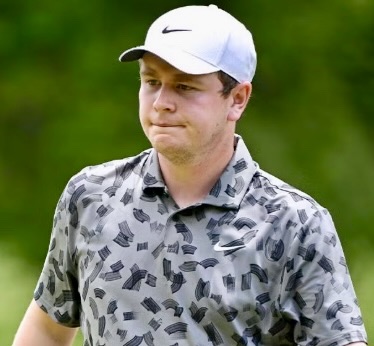
    Day one at The Masters… and Robert MacIntyre found himself in a place no athlete wants to be—on camera, in frustration, and under the microscope.

    A tough hole turned into a nightmare on 15.
    Approach shot—into the water.
    Penalty drop—back into the water.
    Recovery—long and out of position.

    From there, the emotions took over.

    A club slammed earlier in the round.
    Frustration spilling over on multiple holes.
    And then—the moment that travels faster than any scorecard…

    A gesture on the green that cameras didn’t miss.

    Because they never do. Never mind the missed shot, its the alleged middle finger shot, heard and seen around the world.

    And this is the thing: Augusta National isn’t just another course.

    It’s tradition.
    It’s discipline.
    It’s expectation.

    And more than anything—it’s watching.

    The Masters is known for holding players to a higher standard, not just in performance, but in presentation. How you carry yourself matters just as much as how you play.

    So when emotions cross the line, even for a moment, it doesn’t just stay on the course.

    It becomes part of your reputation.

    MacIntyre finished with an 8-over 80.

    That’s a tough day. For him a really really tough day.

    But the score won’t be what people remember.

    It’s the reaction.
    The visible frustration.
    The moment that gets clipped, shared, and replayed.

    And just like that—the narrative shifts.

    From rising talent… to cautionary example.

    And this isn’t just golf.

    This is where Next Tally lives.

    Because this isn’t about one golfer having a bad day.

    This is about every athlete understanding: You are NEVER off-camera.

    Not in golf.
    Not in basketball.
    Not in football.
    Not anywhere.

    And when frustration shows up publicly, it doesn’t just reflect emotion—it reflects control.

    And the cost of losing control?

    No official word yet on discipline.

    But at a place like Augusta, history tells you this:

    They don’t ignore moments like this.

    Because the brand matters.
    The image matters.
    The standard matters.

    And if you don’t protect it… they will.

    Bad rounds happen.

    Bad moments happen.

    But how you handle them?

    That’s what separates professionals from problems.

    Robert MacIntyre is a talented golfer. That hasn’t changed.

    But this week, he’s also a reminder—

    That one moment of visible frustration can overshadow everything you’ve worked to build.

    Not because of the score…

    But because of what came with it.

    And just so you know….this blog isn’t about tearing athletes down—it’s about building awareness for the next one coming up.

    Unk

  • From “Dusk ‘Til Dawn”

    From “Dusk ‘Til Dawn”

    You know, perfection is a funny thing.

    You can chase it all season…
    34 wins, 3 losses…
    command, control, dominance.

    It’s a dominance which played out in a 38-0 record in the 2023-24 season.

    That’s a helluva chase.

    But we saw in real time how the chase
    can slip away in one night.

    That was the road for Dawn Staley and her South Carolina Gamecocks.

    But don’t get me wrong– this isn’t about the loss.

    It’s about what happened before
    and what happened after.

    Because somewhere along that perfect run…
    in a heated moment against Geno Auriemma and UConn…
    voices were raised…
    emotions spilled over…
    and the spotlight got a little uncomfortable. It was an incredible game.

    But like we at Next Tally teach young players, what you do on the basketball court, the baseball diamond, the football field, etc. won’t matter if you say and do the wrong things afterwards. It’s the last thing people will be talking about. So instead of the terrific game, the aftermath became the narrative.

    But it wasn’t all bad—not for Dawn,(who by the way still bedazzled in one of her colorful outfits). Such an aftermath, with Dawn and Coach Auriemma jawbonin’, is where leadership gets tested.

    Not when you’re up 20.
    Not when everything is smooth.

    Not when players make buckets easier than me tossing snacks in a shopping cart.

    But when the temperature rises…
    and everybody’s watching.

    And here’s what stood out—

    Dawn Staley never lost her footing.

    No theatrics.
    No postgame jabs.
    No dragging it into tomorrow.

    Just composure.

    Just control. Of course she exchanged some choice syllables with Geno, but nothing over the top. And in all fairness, neither of them got really crazy. But you could tell it wasn’t a pleasant exchange. Not by a long shot.

    Fast forward to the national title game…
    the streak ends…
    the perfect season, gone.

    And in that moment—
    when disappointment has every right to take center stage—

    she gathers her team…
    her staff…
    her fans…

    And starts a chant:

    “GAMECOCKS! GAMECOCKS! GAMECOCKS!”

    That wasn’t about winning.

    That was about identity.

    About ownership.
    About pride… even in defeat. She never left that team. She never left the fans, most of whom remained in the stands.

    Moments earlier, heads dropped, jerseys drenched while defeat settled in.

    UCLA cheered along with their fans. But as her dejected team headed for the locker room, Staley called them back to the floor. And before you knew it, the “down but not out” team had a cheer of its own. And then the fans joined in:

    “GAMECOCKS! GAMECOCKS! GAMECOCKS!” It was all about pride. As the South Carolina players would say during the post-game interviews, “You can’t lose a game like this, if you don’t first make it into the arena”. We made it.

    See, we spend a lot of time teaching athletes how to perform.

    But not nearly enough time teaching them how to carry it
    in the fire…
    and in the fall.

    And coaches?

    They’re not exempt.

    They set the tone.
    They are the temperature.

    Dawn Staley remind us of that… from dusk… ’til dawn.

    Because class…
    isn’t revealed when you win.

    It’s confirmed when you don’t.

    Unk